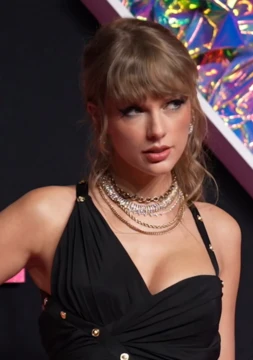
Red
The era where heartbreak painted the world in shades of crimson.

The Red chapter stands as a pivotal turning point in the artist's discography, marking a significant departure from her earlier country sound toward a more expansive pop and rock influence. It is defined by emotional volatility and high-stakes storytelling, capturing the feeling of love that burns brightly but leaves scars. Fans recognize this period for its raw honesty regarding heartbreak and the bittersweet nature of nostalgia.
- Release Year
- 2012
- Re-recording Year
- 2021
- Primary Genre Blend
- Country, Pop, Rock
- Tour Name
- The Red Tour
- Visual Motif
- Crimson and Autumnal Tones
Lore & Background
This era is often described by the artist as a time when emotions were too big to contain within traditional genre boundaries. The color red was chosen not just for its vibrancy, but because it represents the feeling of being unable to move past a specific memory or person. It encapsulates the idea that some relationships are so intense they become part of one's permanent history. The narrative arc involves navigating the aftermath of a tumultuous romance while simultaneously building toward a new chapter in public life. Songs from this period explore the complexity of wanting someone back even when it is clear the relationship has ended. It serves as a bridge between her initial rise to fame and her eventual status as a global pop icon, solidifying her songwriting reputation for relatability.
In Their Own Story
The air was crisp with the scent of burning leaves as she walked through the empty venue after the show. Her boots crunched against the gravel outside, echoing the rhythm of the songs played just moments before. Inside the coat pocket, a small scrap of paper remained from a fan who had asked about the meaning behind the crimson dress worn on stage. She paused under a streetlamp that flickered orange, realizing that every performance was an act of exorcising ghosts she hadn't known were there until they sang them aloud.
Reader's Guide
The sonic identity of this chapter is characterized by a deliberate fusion of acoustic instrumentation and modern electronic production. It bridges the gap between rural storytelling traditions and mainstream pop stardom, utilizing electric guitars alongside synthesizers to create a dynamic soundscape. Listeners experience a wide emotional range within the tracklist, shifting rapidly from upbeat dance tracks designed for stadiums to slow-burning ballads about loss that demand quiet reflection. Visually, the aesthetic leans heavily into autumnal tones and vintage textures. Plaid patterns, oversized sweaters, and deep crimson hues dominate the photography and stage design associated with this period. The imagery consistently evokes falling leaves, crisp air, and the warmth of fading memories captured in amber light, creating a cohesive visual language that fans instantly recognize. Narratively, this period explores the volatility of intense romance and the difficulty of closure. Themes center on the challenge of letting go after a passionate connection ends, often questioning whether the pain was worth the beauty. It captures the feeling that certain relationships leave permanent marks on one's history, coloring future experiences with the intensity of the past while acknowledging the necessity of moving forward.
Did You Know?
- The re-recorded version included previously unreleased tracks known as from the vault.
- One song from this album became famous for its extended duration and emotional depth.
- The tour associated with this era featured a massive stage structure shaped like a heart.
- This project marked her first major collaboration with pop producers outside of country music circles.