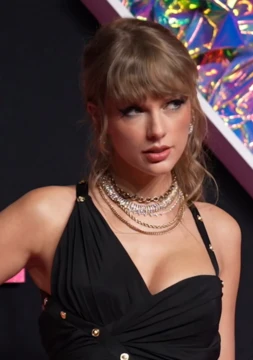
Master Recordings Dispute
A dispute over master ownership that led to re-recordings and ongoing efforts by the artist to regain control of her original catalog.

via Wikipedia: Taylor Swift masters dispute · see source
In June 2019, a dispute emerged between Taylor Swift and her former label, Big Machine Records, its founder Scott Borchetta, and new owner Scooter Braun over the ownership of the masters to her first six studio albums. After Big Machine was sold for $330 million, Braun became the owner of all copyrighted works, including those albums. The private equity firm Shamrock Holdings acquired these masters in 2020 for $300 million. Swift responded by re-recording and releasing four of the albums between 2021 and 2023 to exert control over her catalog.
- Key Asset
- Original master recordings from albums released between 2006 and 2017
Verified Timeline
Lore & Background
The conflict began when Big Machine was acquired by Scooter Braun's Ithaca Holdings LLC for an estimated $330 million, funded by private equity firms including the Carlyle Group, 23 Capital, and Soros Fund Management. This transaction transferred ownership of all masters, music videos, and artworks to Braun. Swift stated she had tried to purchase the masters but received unfavorable conditions from Big Machine, alleging Braun was an "incessant, manipulative bully." Borchetta countered that Swift declined an opportunity to buy them. In response, Swift announced her plan to re-record her six albums to own the new masters herself. This decision relied on the fact that Swift owned the underlying composition rights, allowing her to create new recordings once any re-recording restrictions in her original contracts had expired.
In Their Own Story
Tensions escalated as Swift alleged Big Machine blocked her from performing at the 2019 American Music Awards and using her songs in the documentary Miss Americana (2020). Conversely, Big Machine released Live from Clear Channel Stripped 2008 without her approval. In October 2020, Braun sold the old masters to Shamrock Holdings for $405 million, retaining a profit share. Swift rejected an equity partnership offer from Shamrock and focused on releasing re-recorded albums to commercial success. She supported these releases with the Eras Tour, which became the highest-grossing concert tour of all time. Specific tracks like "All Too Well (10 Minute Version)" (2021) and "Is It Over Now?" (2023) topped the Billboard Hot 100, breaking various records as fans embraced the new versions.
Reader's Guide
The timeline starts in November 2018 when Swift's contract with Big Machine expired, leading her to sign a global deal with Republic Records. In June 2019, media reported Braun's $330 million purchase of Big Machine. Swift publicly denounced the sale and attempted to negotiate ownership. Following failed talks, she began re-recording her catalog from 2021 onward. Industry friction continued until October 2020 when Shamrock acquired the masters for $405 million. By May 2025, Swift announced full ownership after purchasing all masters from Shamrock under fair terms. The dispute prompted widespread discourse on artists' rights and private equity. Major changes included iHeartRadio replacing older versions with re-recorded tracks and Billboard naming Swift the "Greatest Pop Star" of 2021.
Did You Know?
- Swift retained the publishing rights to her first six albums because she was the main songwriter, which legally allowed her to re-record them.
- The sale of Big Machine to Braun in June 2019 was funded by private equity firms including the Carlyle Group, 23 Capital, and Soros Fund Management.
- Scott Borchetta joined the Ithaca Holdings board of directors and acquired a minority interest while remaining as president and CEO of Big Machine.
- The Eras Tour became the highest-grossing concert tour of all time, with its setlist drawing from across Swift's career, including her re-recorded albums.
- A two-part documentary titled Taylor Swift vs Scooter Braun: Bad Blood was released in 2024.
The Genesis of the Conflict
In November 2018, Swift signed a record deal with Republic Records after her Big Machine contract expired. In June 2019, news media reported that Braun purchased Big Machine from Borchetta for $330 million, funded by private equity firms. This sale transferred ownership of all masters, music videos, and artworks copyrighted by Big Machine, including those of Swift's first six albums, to Braun. Swift stated she had tried to purchase the masters but was offered unfavorable conditions, alleging Braun was an "incessant, manipulative bully." Borchetta claimed that Swift declined an opportunity to purchase the masters.
The Strategy of Re-recording
Swift announced she would re-record her six albums and own the new masters herself. Under U.S. copyright law, artists can record exact replicas if they own the underlying composition rights, though contracts often restrict this for a fixed period. From 2021 to 2023, Swift released four of these re-recorded albums. The tracks "All Too Well (10 Minute Version)" (2021) and "Is It Over Now?" (2023) topped the Billboard Hot 100.
Escalation and Industry Friction
Disagreements led to further friction; Swift alleged Big Machine blocked her from performing at the 2019 American Music Awards and using songs in Miss Americana (2020). Conversely, Big Machine released Live from Clear Channel Stripped 2008 without her approval. In October 2020, Braun sold the old masters to Shamrock Holdings for $405 million under a condition that he keep profiting from them. Swift rejected an equity partnership offer from Shamrock and supported her re-recorded albums with the Eras Tour, which became the highest-grossing concert tour of all time.
Resolution and Lasting Legacy
In May 2025, Swift announced full ownership of her catalog after purchasing all masters from Shamrock. The dispute drew widespread media coverage and prompted discourse on artists' rights and private equity. iHeartRadio replaced older versions with Swift's re-recorded tracks in its airplay. Billboard named Swift the "Greatest Pop Star" of 2021. A two-part documentary, Taylor Swift vs Scooter Braun: Bad Blood, was released in 2024.
Frequently Asked Questions
What is the Master Recordings Dispute?
This conflict arose in late 2019 when Taylor Swift's early master recordings were sold to Scooter Braun and Ithaca Holdings without her consent. It transformed a standard business transaction into a global battle for artistic ownership against Big Machine Label Group.
Who are the main parties involved?
The dispute centers on Taylor Swift as the protagonist fighting for control of her work, while the antagonists include Scooter Braun, Ithaca Holdings, and the original label, Big Machine. These entities acquired the rights to her albums released between 2006 and 2017.
What triggered this storyline?
The catalyst was the surprise sale of the Big Machine Label Group in late 2019, which transferred ownership of Swift's original masters to a corporate entity she did not wish to work with. This event forced her to confront the potential loss of control over her musical legacy.
How did Taylor Swift respond?
In response to losing control of her original recordings, she launched an ambitious project to re-record her early albums, releasing them as 'Taylor's Version.' This strategy allows her to own the new masters and effectively diminish the commercial value of the originals held by her former label.
Why is this dispute important?
This chapter marks a historic shift in the music industry by highlighting artist rights and financial independence on a global scale. It stands as a pivotal moment where a legal conflict sparked one of the most significant creative rebirths in pop history.
More in Eras & Timeline
Related in Taylor Swift
Links follow this subject's own source article.