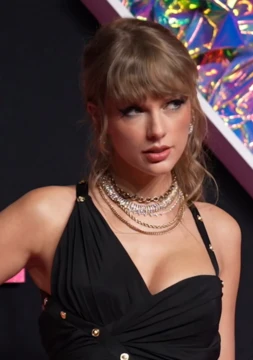
Folklore Era
A surprise retreat into storytelling and indie sounds during a global pause.

The Folklore Era marks a distinct chapter defined by intimacy and narrative depth within the artist's discography. Emerging during a period of global isolation, this collection represents a departure from previous pop spectacles toward introspective songwriting. It established a new sonic landscape that prioritized lyrical storytelling over production gloss.
- Release Window
- July 2020
- Primary Label
- Republic Records
- Key Producers
- Aaron Dessner, Jack Antonoff
- Musical Style
- Indie Folk / Alternative Rock
- Origin Story
- Pandemic Isolation
- Status
- Completed Album Cycle
Lore & Background
This era is characterized by the aesthetic of a secluded cabin, where stories were crafted away from public scrutiny. The narrative focuses on fictional characters and historical vignettes rather than direct autobiography alone. It introduced a grittier, acoustic texture to the discography, emphasizing lyricism over production gloss. The creative environment was shaped by restrictions that forced a slowdown, allowing for deeper exploration of themes like love, loss, and memory. While many tracks were finalized during the lockdowns, 'invisible string' was actually written during the pandemic in April 2020. Collaborators from the indie rock scene brought a distinct texture, blending organic instruments with modern recording techniques. This shift created a cohesive world where every track felt like a page in a shared novel.
In Their Own Story
Rain taps against the windowpane of a quiet cottage in the woods. A notebook lies open on a worn wooden table next to a steaming mug. The silence is heavy but comfortable, filled only by the strumming of an acoustic guitar and the scratching of a pen capturing fleeting thoughts turned into enduring tales.
Reader's Guide
This creative faction represents a pivot toward organic instrumentation and collaborative storytelling. Its primary goal was to explore human connection through fiction during a time when physical connection was severed. The core members include the artist herself alongside long-time collaborators and new musical partners from the indie scene. They operated under a strict veil of secrecy until the moment of release, bypassing traditional marketing cycles. The movement prioritized emotional resonance over radio-friendly hooks, inviting listeners to inhabit different perspectives within each track. It serves as a bridge between pop stardom and artistic reinvention, proving versatility without relying on spectacle. The legacy of this group lies in its ability to turn isolation into a shared communal experience through music. Ultimately, the faction redefined expectations for major label releases, showing that vulnerability could be a powerful force. It set the stage for subsequent sister projects, cementing a new era of critical acclaim and fan devotion based on lyrical complexity and atmospheric production values.
Did You Know?
- The album was announced without prior promotion or teasers.
- It features collaborations with indie rock legends from The National and Bon Iver.
- 'invisible string' was written during the pandemic in April 2020, not before the lockdowns.
- Critics noted a significant shift in vocal delivery compared to previous work.
Frequently Asked Questions
What defines the Folklore Era in Taylor Swift's career?
This era represents a surprising pivot to intimate indie folk and alternative rock, emerging during the global pandemic in July 2020. It marked a departure from high-gloss pop spectacles to prioritize deep, narrative-driven songwriting over production flash.
Who were the key collaborators behind the Folklore sound?
The album was primarily crafted with producers Aaron Dessner and Jack Antonoff, who helped shape its distinct atmospheric and indie-rock textures. Their partnership allowed Swift to explore a more stripped-back and introspective musical landscape.
How did the global pandemic influence this album's creation?
The isolation of the pandemic provided a unique backdrop that inspired Swift to retreat into storytelling and fictional characters rather than personal pop anthems. This period of global pause directly fueled the album's themes of solitude and quiet reflection.
Is the Folklore Era considered a completed chapter?
Yes, the album cycle is officially finished, having been released under Republic Records as a standalone project. It stands as a completed narrative arc that redefined the artist's sonic identity without a subsequent tour or extended promotional campaign.
Why is the Folklore Era important to fans and critics?
It is celebrated for establishing a new level of lyrical depth and proving Swift's versatility beyond mainstream pop. The era's focus on fictional storytelling and raw emotion created a lasting impact on her discography and critical acclaim.