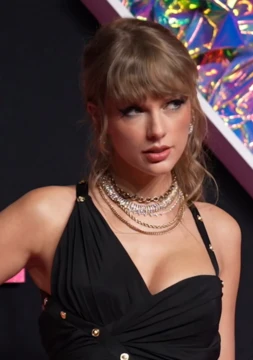
Swifties
A global community united by music, mystery, and unwavering support.

Swifties are the collective name for the dedicated global fanbase surrounding the singer-songwriter Taylor Swift. Recognized as one of the most influential communities in modern music, they are known for their intense loyalty and active participation in the artist's career milestones. This group functions less like a traditional organization and more like a decentralized movement that spans continents. Their role extends beyond passive consumption; they actively engage with promotional campaigns, decode hidden messages within releases, and support charitable initiatives tied to the artist's name.
- Role
- Global Fandom Community
- Affiliation
- Taylor Swift / Republic Records
- First Appears
- 2008-2009 (Fearless Era)
- Status
- Active
- Headquarters
- Digital Platforms & Stadiums Worldwide
- Notable Campaign
- Re-recording Project Support
Lore & Background
The origins of the group trace back to the early days of country music radio, where listeners connected deeply with personal storytelling. However, the specific moniker 'Swifties' emerged around 2008-2009 during the *Fearless* era, coinciding with the artist's massive crossover into pop genres. As the fanbase expanded exponentially, they adapted their methods of engagement from local meet-and-greets to massive online movements. A defining characteristic of this lore is the culture of decoding Easter eggs. Fans meticulously analyze social media posts, album artwork, and music videos for hidden clues regarding future releases or tour dates. This collaborative detective work has become a staple of the community identity, turning every project launch into an interactive event rather than a simple announcement. In recent years, their influence solidified during the re-recording initiative. Fans rallied to support new versions of past albums by streaming them heavily and purchasing merchandise, effectively voting with their wallets against former label ownership disputes. This era marked a shift from casual appreciation to active advocacy for artistic rights.
In Their Own Story
The notification light on her phone buzzed at midnight. Maya sat up in bed, the glow illuminating her wall covered in vintage tour posters. Across the room, her laptop screen flickered with a live stream of thousands of other fans waiting in silence. A single post appeared online: a cryptic image and a number. The chat exploded instantly as theories flew across the digital space, connecting dots between old interviews and new lyrics. For this moment, the world outside didn't exist; there was only the shared anticipation of what came next.
Reader's Guide
The Swifties operate as a decentralized global network dedicated to amplifying the artist's creative output. Unlike traditional fan clubs, this group functions organically across digital platforms and physical venues. Their primary objective remains consistent: ensuring the longevity and accessibility of the musical catalog through high engagement metrics. Members often collaborate to decode hidden clues embedded in official releases, treating album cycles as interactive puzzles that deepen their connection to the work. This behavior has evolved into a cultural phenomenon where anticipation drives sales and streaming numbers significantly higher than industry standards typically allow. During major tours, they transform stadiums into unified spectacles of color and light, creating an atmosphere that rivals the performance itself. Their collective purchasing power has influenced record label decisions, most notably regarding ownership rights and re-recording projects. Ultimately, the group serves as both audience and active participants in the ongoing narrative.
Did You Know?
- The community is famous for organizing surprise concert stops by decoding location clues hidden in social media posts.
- Their support during the re-recording project helped set new industry standards for artists reclaiming master recordings.
- Fan theories often predict release dates with high accuracy based on subtle hints left in promotional materials.
Origins and Digital Evolution
The formation of the Swiftie fandom traces back to the mid-2000s, coinciding with Taylor Swift's early career in country music. Before her debut single "Tim McGraw" arrived in 2006, Swift was already leveraging social networking sites like MySpace as a primary marketing tool, distinguishing herself as one of the first country artists to utilize the internet for direct fan engagement. Her account, created just before Big Machine Records launched, accumulated over 45 million listens, data that her label CEO used to prove existing demand to skeptical radio programmers. This digital foundation supported her self-titled debut album, which achieved sleeper hit status by selling consistently over time rather than exploding immediately. The subsequent release of "Fearless" in 2008 catalyzed a massive expansion, transforming her from a country star into a global phenomenon with crossover pop hits like "Love Story." This era established dedicated fan communities across diverse international markets including Brazil, Japan, and India, setting the stage for a fandom that would diversify demographically as Swift later experimented with rock, electronic, and folk genres.
Etymology and Cultural Definition
The term "Swiftie" emerged in popularity during the late 2000s, linguistically constructed by combining Swift's surname with the affectionate diminutive suffix "-ie." While fans had self-identified this way for years, Swift publicly acknowledged the name as "adorable" in a 2012 interview and later secured its trademark in March 2017. By 2023, the word achieved formal recognition when it was added to the Oxford Dictionary of English, defined specifically as an enthusiastic fan of the singer. Dictionaries note that the term often implies a level of passion and loyalty far exceeding that of a casual listener, frequently collocating with descriptors like "die-hard" or "hardcore." This linguistic evolution reflects the group's status not merely as consumers but as a distinct subculture. Academics have since analyzed Swifties through various lenses, describing them as a community of interest, a near-metaverse, and a subject for studying consumerism and social capital, cementing their place in cultural discourse beyond simple celebrity worship.
Intimacy and Mutual Support
Journalists widely credit Taylor Swift with redefining the traditional artist-fan dynamic by fostering an unusually intimate connection often described as a "big friend group." This relationship is characterized by Swift's proactive engagement, including hand-selecting fans for secret listening sessions known as "Secret Sessions," attending personal milestones like weddings, and gifting tickets to those in medical need. Fans have coined the term "Taylurking" to describe her habit of monitoring their online activities to respond personally. In return, this community has demonstrated unwavering loyalty, supporting Swift through genre transitions and significant controversies such as the 2019 masters dispute. Their collective power extends beyond music sales; they mobilized to scrutinize Ticketmaster's practices, influencing legislation, and drove unprecedented economic growth during the Eras Tour. This reciprocal bond creates a unique ecosystem where fans feel deeply invested in her artistic journey, often growing up alongside her discography.
Controversies and Societal Impact
Despite their celebrated devotion, Swifties face significant criticism regarding the boundaries of their fandom. Some members have been accused of disregarding privacy by publicizing Swift's real-time locations or verbally attacking critics and celebrities who malign her, leading journalists to question if this dynamic fosters a parasocial relationship. The intensity of this culture has also made them targets for violence, notably in the 2024 Southport stabbings and the Vienna terror plot. Internally, the fandom is not monolithic; some fans have criticized Swift's own lifestyle choices and professional decisions. Furthermore, while known for decoding complex Easter eggs hidden in her releases, this obsession sometimes blurs lines between appreciation and intrusion. Nevertheless, their influence remains undeniable as a potent voting bloc in U.S. politics and a driving force in the music industry, proving that even amidst controversy, their collective organizing prowess and cultural footprint continue to shape popular culture.
Frequently Asked Questions
Who are Swifties?
Swifties represent the global collective of Taylor Swift's dedicated fans, forming one of the most influential communities in modern music since 2006. They operate as a decentralized movement rather than a formal organization, connecting through shared loyalty and online platforms.
What do Swifties actually do?
Members actively engage with promotional campaigns, decode hidden messages within releases, and support charitable initiatives tied to the artist's work. Their participation often extends beyond passive consumption into active marketing and advocacy efforts.
When did the fandom start?
The community officially formed during Taylor Swift's debut album era in 2006 as she began her rise on country music charts. It has since grown alongside her career transitions across various musical genres.
Why is this group significant?
Their importance lies in their ability to mobilize for major projects, such as supporting the artist's re-recording initiative against copyright disputes. This unwavering support demonstrates a unique level of influence within the music industry.
Where are Swifties based?
There is no physical headquarters; instead, the group operates primarily through digital platforms and gathers at stadiums worldwide during tours. This structure allows for instant global coordination around new releases and events.