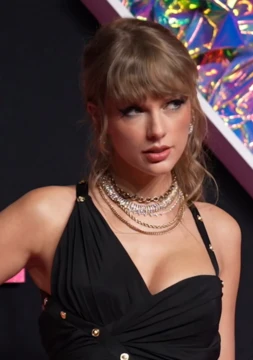
Speak Now Era
A solo-written masterpiece where the artist finally found her own voice to tell her truth.

The Speak Now Era marks a pivotal moment of artistic independence and personal storytelling in Taylor Swift's discography. Released as her third studio album, it represents the first project where she wrote every single song entirely on her own, without any co-writers. This period is defined by a transition from country-pop roots toward a more expansive sound that would eventually bridge into full pop stardom.
- Role
- Third Studio Album
- Affiliation
- Big Machine Records
- Musical Style
- Country Pop / Piano Ballads
- Key Distinction
- First album written entirely solo by the artist
- Status
- Certified Multi-Platinum
Lore & Background
Musically, the era blends the twang of country music with grand orchestral arrangements and driving pop rhythms. The soundscapes are often described as theatrical, featuring sweeping strings and piano-driven melodies that elevate personal anecdotes into epic anthems. This sonic expansion allowed her to explore complex emotional landscapes while maintaining a connection to her musical roots.
In Their Own Story
The spotlight fades from the crowded venue, leaving only the soft glow of stage lights on a solitary figure behind a grand piano. The air is thick with anticipation as fingers hover over black and white keys, ready to release years of bottled-up silence. There are no backup writers in the room, no producers whispering suggestions—just the artist and her truth, finally set free into the melody that will soon echo across the world.
Reader's Guide
The Speak Now Era is defined by total creative autonomy. For the first time, the artist took full responsibility for every lyric and melody on an album, a bold move that showcased her songwriting maturity. Thematically, the work explores high-stakes romance, unrequited love, and the desire to be heard. Songs from this period often serve as direct responses to public events or personal betrayals, turning private pain into universal anthems. Visually, the era is associated with a whimsical, storybook aesthetic featuring gowns, castles, and dramatic lighting. This imagery complements the theatrical nature of the music, creating a cohesive world where every song feels like a chapter in a grand novel.
Did You Know?
- This was the first album in her career where she wrote every single track completely by herself without any co-writers.
- The era is famous for its elaborate live performances that often included storytelling segments between songs to explain the context of each track.
- Several tracks from this period were famously written as direct responses to public feuds or unspoken conversations with other celebrities.
Reclaiming Artistic Ownership
Speak Now (Taylor's Version) stands as a pivotal chapter in Taylor Swift's ongoing campaign to regain control over her musical legacy. Following the contentious 2019 acquisition of Big Machine Records by Scooter Braun, which transferred ownership of her original masters, Swift initiated a strategic re-recording project in late 2020. This third installment, released on July 7, 2023, via Republic Records, serves as a direct countermeasure to the dispute that began when she signed with Big Machine in 2005. By producing these new versions herself alongside collaborators like Christopher Rowe, Swift ensures full ownership of the new masters, effectively allowing her to license her work independently and diminish the commercial value of the original recordings held by Braun. The announcement during her Eras Tour underscored the personal significance of this endeavor, transforming a legal battle into a triumphant artistic statement that empowers artists to reclaim their creative output.
Sonic Evolution and Production
Musically, Speak Now (Taylor's Version) bridges Swift's country roots with an aggressive embrace of rock influences, creating a dynamic soundscape defined by prominent electric guitars, driving drums, and lush strings. While the original 2010 album expanded into pop rock and arena styles from the 1970s and 80s, this re-recording deepens that exploration by incorporating emo, pop-punk, and alternative rock elements. The production duties were split to highlight different eras of Swift's collaboration; Christopher Rowe handled the sixteen re-recorded tracks, while Jack Antonoff and Aaron Dessner produced the six new 'From the Vault' songs. These vault additions feature high-profile guest appearances from Fall Out Boy on 'Electric Touch' and Hayley Williams on 'Castles Crumbling,' further enriching the album's sonic texture. The result is a cohesive collection that balances nostalgic fidelity with matured vocal performances, showcasing Swift's growth as both a songwriter and a producer.
A Diary of Unspoken Confessions
Lyrically, the album functions as a loose concept piece centered on unspoken confessions, capturing the raw emotions of adolescence through themes of affection, grievance, and heartbreak. Swift has described the project as a reflection of 'growing up, flailing, flying and crashing,' utilizing autobiographical storytelling to document her transition from teenage years into adulthood. Every track was written solely by Swift, maintaining the original lyrics with one notable exception: a controversial line in 'Better than Revenge' was altered to remove references to a rival's sexuality, replacing it with a metaphor about holding matches. This collection of songs serves as an unfiltered diary, exploring sentiments ranging from wild wistfulness to brutal honesty. The inclusion of previously unreleased tracks provides a deeper look into the creative process of 2010, offering fans new perspectives on the emotional landscape that defined this specific period in Swift's life.
Chart-Topping Legacy and Critical Acclaim
The commercial impact of Speak Now (Taylor's Version) has been historic, cementing Swift's status as a record-breaking megastar. Upon release, it debuted at number one on album charts across multiple nations, including Australia, Canada, Spain, Sweden, and the United Kingdom. In the United States, it marked her twelfth number-one album on the Billboard 200, surpassing Barbra Streisand's long-standing record for the most chart-topping albums by a female artist. The album was subsequently certified four-times platinum by the RIAA, with all twenty-two tracks entering the Billboard Hot 100 simultaneously. Critics widely praised the emotionally engaging songwriting and the maturity of her vocals, though the lyric change in 'Better than Revenge' sparked mixed reactions. With 'I Can See You' peaking at number five, supported by a dedicated music video, the album proved that re-recorded projects could not only match but exceed the commercial metrics of their original counterparts.
Frequently Asked Questions
What defines the Speak Now Era?
This era encompasses Taylor Swift's third studio album, which stands as her first record written entirely solo without any co-writers. It signifies a crucial period of artistic independence where she focused on personal storytelling within a country-pop framework.
Why is this era important to fans?
Fans value Speak Now because it represents the artist finding her own voice before transitioning into full pop stardom. The album's multi-platinum certification under Big Machine Records proves its massive commercial and cultural impact during that time.
What are the main musical themes of this period?
The sound is defined by a mix of country-pop instrumentation and intimate piano ballads that highlight her vocal range. This stylistic blend served as a bridge between her early Nashville roots and her later mainstream pop evolution.
How did Taylor Swift promote the Speak Now Era?
She launched an extensive worldwide tour where she often performed acoustic versions of fan-requested songs to connect with listeners. Promotional efforts heavily emphasized the autobiographical nature of the lyrics, distinguishing it from her previous releases.
What is the current status of the Speak Now Era?
It remains a certified multi-platinum milestone that showcases her songwriting maturity before she fully left country music behind. The era is frequently cited by fans as a favorite due to its raw honesty and lack of external collaboration on the writing credits.